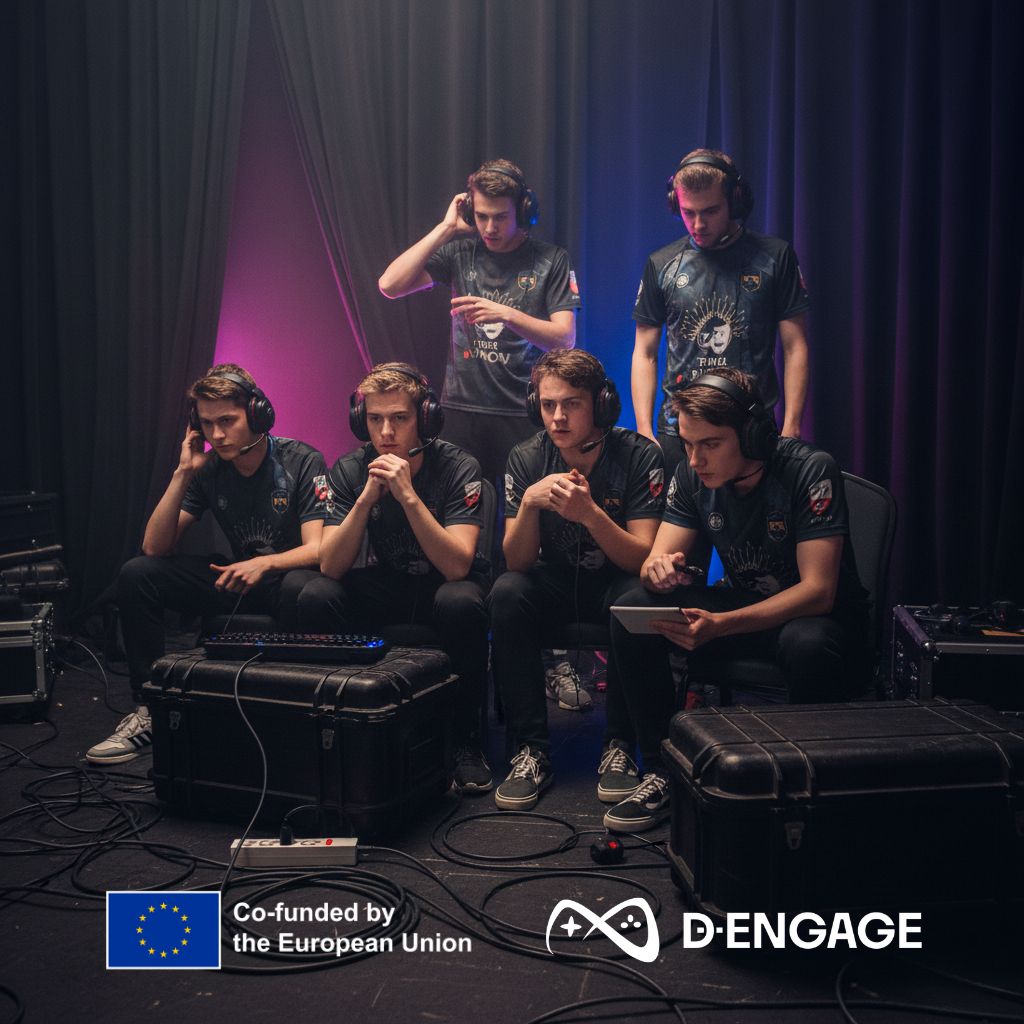
What the youth-esports coach role includes (and what it must avoid)
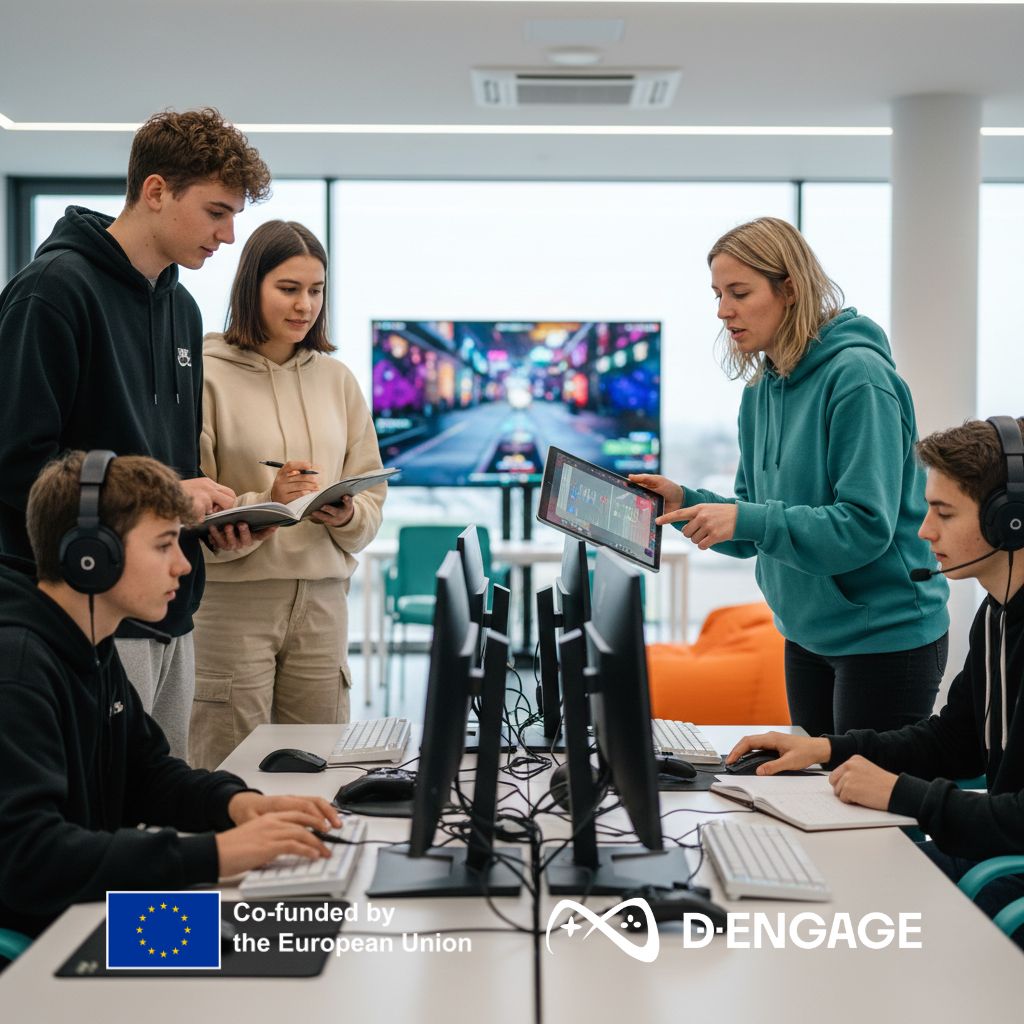
Your role is to create the conditions for learning: clear goals, a respectful culture, and simple routines that make teamwork possible (warm-ups, communication norms, reflection). You can teach technical habits, but your bigger impact is how you shape behaviour around competition.
Just as important is what to avoid. Youth work coaching should not blur into being a peer, a therapist, or “always available.” Avoid private channels that reduce transparency. Avoid humiliating feedback, sarcasm, or comparisons that damage confidence. In a youth setting, the fastest way to lose trust is inconsistency.
Safeguarding and boundaries in esports contexts
Esports brings extra boundary pressure because so much happens online: voice chat, DMs, friend requests, usernames, streams. A practical rule is: keep coaching in agreed, visible spaces and be explicit about contact norms (where, when, and how communication happens).
Make reporting easy and calm. Young people should know that if something feels wrong harassment, pressure, threats, toxic behaviour there is a clear route to support and a predictable response.
Coaching styles: when to direct, co-create, or step back
Good coaching is not one style; it is switching styles on purpose.
- Direct when safety, respect, or clarity is needed (“This is the rule. This is the focus.”)
- Co-create when you want ownership (team norms, roles, practice routines)
- Step back when the team needs space to try, fail safely, and learn
If young people can explain what they are learning and apply it without you, the coaching is working.
A simple coach’s ethics checklist (use weekly)
Keep it short and repeatable:
- Am I prioritising learning and wellbeing, not only winning?
- Is my feedback respectful, specific, and usable?
- Are boundaries clear (channels, visibility, response expectations)?
- Is the space inclusive (roles, voice, psychological safety)?
- Do we have a known response to toxicity or rule-breaking?
Try this: the “Style Switch Drill” (12–15 minutes)
Run one short practice round, then switch coaching style intentionally:
- Direct (3 minutes): one rule + one focus (e.g., “short comms,” “support teammate first”).
- Co-create (5 minutes): the team proposes two norms and one role adjustment.
- Step back (3 minutes): you observe silently while they apply it.
- Reflect (2–4 minutes): What changed? What helped? What will we keep?
It teaches young people that coaching is not control it is building better choices.
Wrap-up: your next steps
If you have reached Module 6, you now have a complete pathway: literacy, ethics, event planning, wellbeing, and coaching.
Finish the module:portal.d-engage.eu
Project overview and outputs: https://d-engage.eu
Co-Funded by the European Union. Views and opinions expressed are however those of the author(s) only and do not necessarily reflect those of the European Union or the Foundation for the Development of the Education System (FRSE). Neither the European Union nor FRSE can be held responsible for them.